
Seasonal Home maintenance Checklist: Quick Tips
Welcome to your comprehensive, season-by-season guide for keeping your Arizona home in peak condition. The unique desert climate, with its intense summer heat and surprising monsoon seasons, demands a proactive approach to upkeep. This seasonal home maintenance checklist is designed specifically for Arizona homeowners, focusing heavily on the single most critical system in your home: your HVAC.

A well-maintained home doesn't just look better; it runs more efficiently, costs less to operate, and provides a safer, more comfortable environment for your family. We will break down the essential tasks for spring, summer, fall, and winter, providing actionable steps and expert insights for everything from landscaping to exterior seals. For homeowners in Arizona, a comprehensive roof inspection checklist can be an invaluable tool to guide your year-round maintenance efforts and protect your biggest investment.
From preparing your AC for the summer battle to winterizing against unexpected cold snaps, this guide ensures you are always one step ahead. Neglecting these tasks can lead to expensive emergency repairs and decreased energy efficiency, issues that are easily avoidable with a structured plan. We will cover ten critical areas of your property, including HVAC systems, gutter cleaning, foundation checks, and more. This detailed list will empower you to manage your home's needs proactively. Let's dive into the four pillars of seasonal care to protect your home's value and your comfort.
1. Spring Readiness: Preparing Your Home for the Heat
Spring in Arizona isn't just a pleasant interlude; it's the critical preparation window before the intense summer heat arrives. This season is your opportunity to proactively service the systems that keep your home comfortable and efficient. Focusing on your cooling system, water management, and building exterior now will prevent costly failures and discomfort when temperatures soar into the triple digits. This part of your seasonal home maintenance checklist is like a pre-game warm-up: the better you prepare, the better your home performs under pressure.
Key Focus Areas for Spring
HVAC System Tune-Up: Your air conditioner is the most important appliance during an Arizona summer. A professional tune-up in spring is non-negotiable. For example, a homeowner who schedules an AC check-up in March might discover a minor refrigerant leak. Fixing it then prevents a complete system breakdown on a 110-degree day in July, saving thousands in emergency replacement costs.
Pro Tip: A comprehensive tune-up should include checking refrigerant levels, cleaning coils, testing electrical components, and ensuring proper airflow. This service not only prevents breakdowns but also maximizes energy efficiency, lowering your summer electricity bills.
Building Envelope and Water Management: The mild spring weather is perfect for outdoor tasks. Inspect the caulking around windows and doors for cracks. Sealing these gaps keeps hot air out and conditioned air in, leading to more stable indoor temperatures and less dust. Also, ensure your gutters and downspouts are clear of debris to handle the occasional spring shower and prepare for monsoon season storms.
Actionable Spring Maintenance Tips
Clear Your Condenser: Trim back bushes, weeds, and any other vegetation at least two feet away from your outdoor AC unit. This ensures unobstructed airflow, which is essential for the unit to dissipate heat effectively.
Rinse the Coils: Gently spray the fins of your outdoor condenser unit with a garden hose to wash away the accumulated dust and pollen. A clean unit runs more efficiently.
Inspect Your Irrigation: Before summer watering schedules begin, check your sprinkler system for leaks or broken heads. A small leak can waste a surprising amount of water over a hot summer.
Care for Your Landscape: The health of your yard impacts your home's microclimate. As you prepare your home for the heat, remember that your landscape also requires specific attention with these essential spring tree care tips. Healthy trees can provide valuable shade, reducing the cooling load on your home.
2. Gutter Cleaning and Inspection
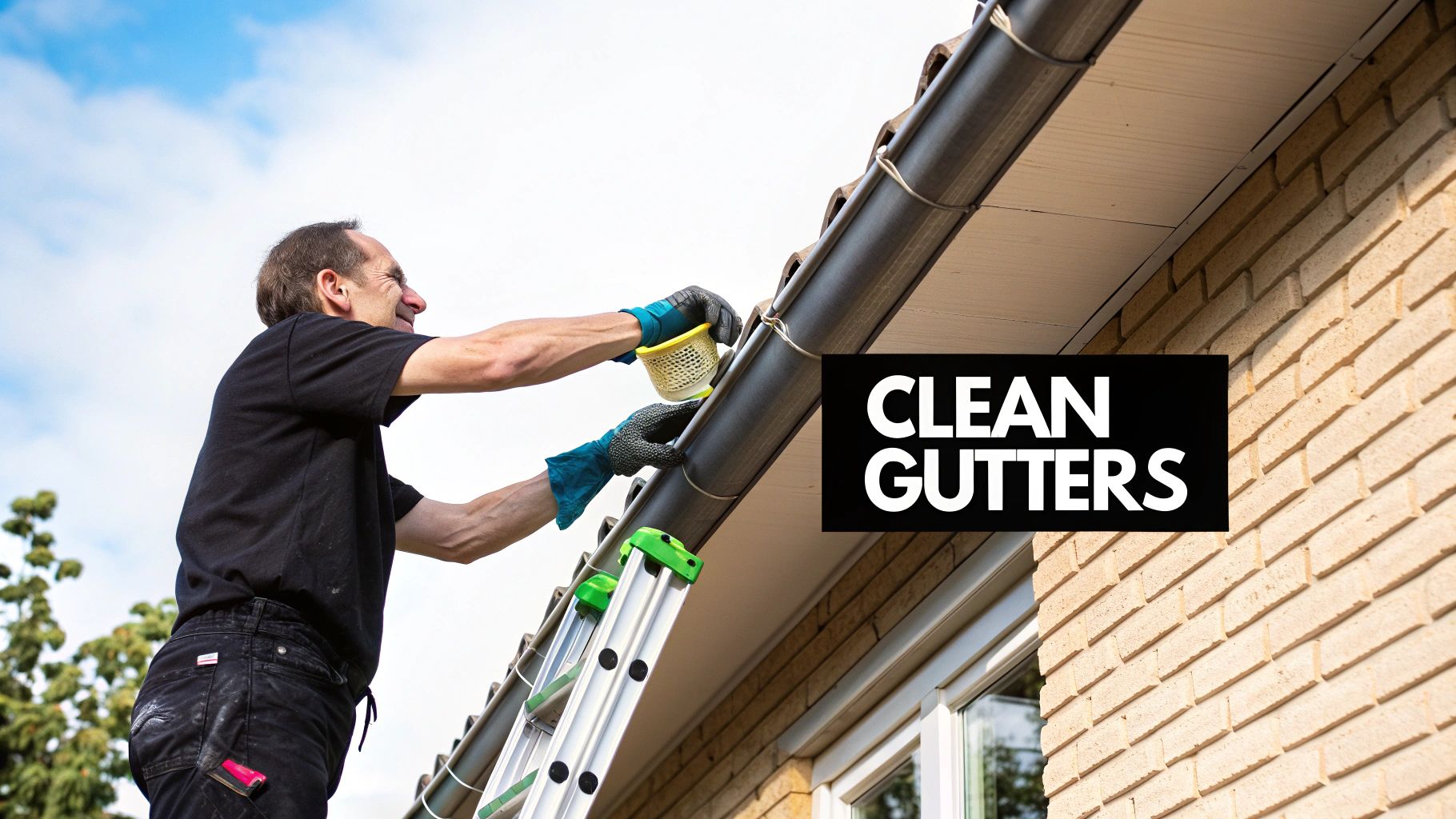
Often overlooked, your home's gutter system is a first line of defense against water damage. Gutters are designed to collect rainwater from your roof and channel it safely away from your home’s foundation, walls, and landscaping. When clogged with leaves, twigs, and other debris, they can’t perform this vital function. This part of your seasonal home maintenance checklist is like managing your home's water traffic: keeping the channels clear prevents destructive gridlock and costly repairs down the line.
Key Focus Areas for Gutters
Preventing Water Damage: The primary goal of gutter maintenance is to prevent water infiltration and structural damage. For example, a homeowner in a neighborhood with many mature trees might find their gutters completely blocked after fall. If neglected, winter rains can cause water to overflow, seep into the roof decking, and potentially damage the home’s foundation, leading to issues far more expensive than a simple cleaning service.
Pro Tip: While cleaning, inspect the gutters and downspouts for signs of rust, cracks, or sagging. Ensure that downspouts extend at least four to six feet away from your foundation to prevent soil erosion and keep your basement or crawl space dry.
Pest Control and Fire Prevention: Clogged gutters are more than just a water hazard; they create a welcoming environment for pests. The damp, decomposing organic matter is an ideal breeding ground for mosquitoes, rodents, and insects. In dry climates like Arizona, the buildup of dry leaves and pine needles in gutters also presents a significant fire risk from airborne embers.
Actionable Gutter Maintenance Tips
Schedule Biannual Cleanings: Clean your gutters thoroughly at least twice a year: once in late fall after all the leaves have dropped and again in early spring to clear out any winter debris.
Invest in Gutter Guards: To reduce the frequency of cleanings, consider installing gutter guards or screens. Systems from brands like LeafFilter or Gutterglove can block larger debris while still allowing water to flow through.
Prioritize Safety: When cleaning gutters yourself, always use a sturdy ladder and wear heavy-duty gloves and safety goggles. For multi-story homes or steep roofs, hiring a professional service is the safest option.
Check for Proper Pitch: After cleaning, run water through the gutters with a garden hose. This helps you check for leaks and ensure the water flows correctly toward the downspouts without pooling in any areas.
3. Roof and Flashing Inspection
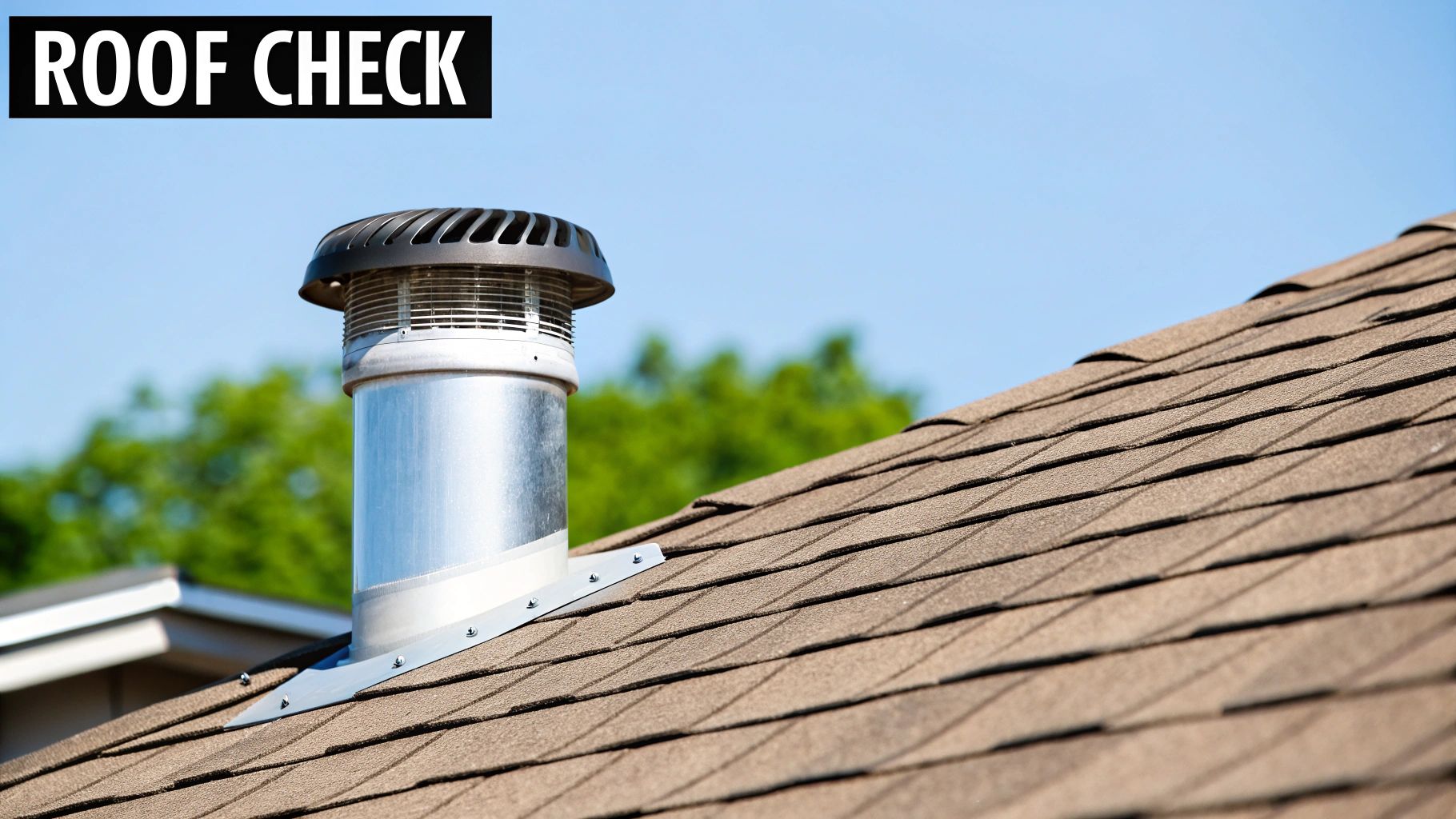
Your roof is the primary shield protecting your home from Arizona's intense sun, powerful monsoon downpours, and haboob dust storms. A seasonal inspection is a critical part of any home maintenance checklist, as it allows you to identify and address minor issues before they escalate into major leaks, interior water damage, or structural problems. Overlooking your roof is like ignoring the foundation; its integrity is fundamental to the health and safety of your entire home. Proactive checks, especially after severe weather, ensure this vital defense remains intact.
Key Focus Areas for Roof Health
Shingles, Tiles, and Flashing: Your roof's surface and seams are the most vulnerable points. An inspection should focus on identifying missing, cracked, or sun-damaged shingles or tiles that compromise the waterproof barrier. For instance, a homeowner who spots a few lifted shingles after a strong monsoon wind can have them repaired for a small cost, preventing a major leak during the next storm that could ruin drywall and insulation. Flashing, the metal stripping around chimneys, vents, and skylights, must also be checked for deterioration or gaps.
Pro Tip: While many homeowners can perform a visual inspection from the ground with binoculars, a professional should be called for any hands-on assessment. They have the safety equipment and expertise to spot subtle signs of damage that an untrained eye might miss.
Water Intrusion and Debris: The goal of an inspection is to catch water damage before it becomes visible inside. Look for signs of moss or algae, which indicate trapped moisture and can degrade roofing materials over time. Additionally, check your attic space during or after a rainstorm for any dark stains on the underside of the roof deck, a clear sign of an active leak. Keeping the roof surface and gutters clear of debris prevents water from pooling and seeping underneath.
Actionable Roof Maintenance Tips
Inspect from the Ground: For safety, start your seasonal check from the ground using a pair of binoculars. Look for any obvious signs of damage like curled shingles or missing tiles.
Document Potential Issues: If you spot something concerning, take clear photos. This documentation is invaluable if you need to file an insurance claim after a storm.
Schedule Professional Checks: Plan for a professional roof inspection every 3-5 years, or immediately following any significant hail or wind event. Their detailed report gives you a clear picture of your roof's lifespan.
Mind Your Attic: A well-maintained attic contributes to roof longevity. Proper ventilation and insulation prevent heat buildup that can cook asphalt shingles from below, and you can explore more about how to insulate your space effectively.
4. Outdoor Faucet and Irrigation System Winterization
As temperatures drop, the water in your outdoor pipes and irrigation systems becomes a significant threat. Winterization is the process of preparing these systems for freezing weather to prevent catastrophic damage. It involves draining water from pipes, faucets, and sprinkler lines that could otherwise freeze, expand, and burst. This crucial fall task is a cornerstone of any comprehensive seasonal home maintenance checklist, saving homeowners from thousands of dollars in water damage repairs and system replacement costs.
Key Focus Areas for Winterization
Irrigation System Shutdown: Your sprinkler system is particularly vulnerable to freeze damage due to the shallow depth of its lines. A proper shutdown involves more than just turning off the controller. For instance, a homeowner in a colder Arizona climate like Flagstaff must use an air compressor to blow every drop of water out of the irrigation lines. Failing to do so could result in cracked pipes and broken sprinkler heads, leading to extensive and costly spring repairs.
Pro Tip: The "blow-out" method, using an air compressor set to a low PSI (typically 40-80 PSI), is the most effective way to clear all water from your irrigation system. This professional technique ensures that no residual moisture remains to freeze and cause damage.
Exterior Faucet and Pipe Protection: Any exposed outdoor faucets, known as hose bibs, and pipes must be addressed. This involves disconnecting all hoses, draining the faucets completely, and shutting off their dedicated interior water supply valve. For older homes without frost-proof faucets, insulated covers provide an essential layer of protection against the cold, preventing the pipe from freezing back into the wall of your home.
Actionable Winterization Tips
Schedule Early: Start your winterization process at least two to four weeks before the average first freeze date in your specific area. Set a calendar reminder six weeks out to gather supplies.
Disconnect and Drain: Always disconnect garden hoses from outdoor faucets. Trapped water in a hose connected to a faucet can freeze and exert immense pressure, causing the pipe inside your wall to burst.
Insulate Exposed Pipes: Use foam pipe sleeves or insulated faucet covers for any exterior pipes and hose bibs that are not frost-proof. This simple step is an inexpensive insurance policy against a major plumbing emergency.
Shut Off Supply Valves: Locate the interior shut-off valve for each outdoor faucet. Turn it to the "off" position, then go outside and open the faucet to allow any remaining water to drain out completely.
5. Chimney and Fireplace Cleaning and Inspection
For many homeowners, the fireplace is the cozy heart of the home during cooler months. However, without proper maintenance, it can also become a significant safety risk. Each fire deposits a layer of creosote, a flammable tar-like substance, inside your chimney. This part of your seasonal home maintenance checklist is a critical safety measure, ensuring your fireplace operates efficiently and safely before the first cold snap arrives.
Key Focus Areas for Chimney Safety
Creosote Removal and Fire Prevention: The primary goal of a chimney sweep is to remove dangerous creosote buildup. According to the National Fire Protection Association (NFPA), failure to clean chimneys is a leading cause of home heating fires, causing millions in property damage annually. For instance, a homeowner who neglects this task might unknowingly ignite a creosote fire, which can burn intensely and spread to the rest of the house. A certified professional cleaning mitigates this risk almost entirely.
Pro Tip: Schedule your chimney inspection in the late summer or early fall. Professionals are less busy during this period, and it ensures your fireplace is ready for use well before you need it. Always ask for documentation of the cleaning for your records and potentially for your homeowner's insurance policy.
Structural Integrity and Venting: A professional chimney sweep does more than just clean; they perform a vital inspection. They check for cracks in the flue liner, damage to the masonry, and ensure the chimney cap is secure to prevent animals and debris from entering. Proper venting is just as crucial for safety, and for more information on keeping all of your home's vents clear, you can explore our guide to cleaning vent pipes.
Actionable Chimney Maintenance Tips
Hire Certified Professionals: Look for a chimney sweep certified by the Chimney Safety Institute of America (CSIA). This certification ensures they have the training and knowledge to perform a thorough and safe inspection.
Burn Only Seasoned Hardwood: Use wood that has been split and dried for at least one year. Green or wet wood produces more smoke and significantly more creosote.
Inspect the Chimney Cap: Visually inspect your chimney cap from the ground. Ensure it is intact and has a screen to keep out birds, squirrels, and other pests that can build nests and cause blockages.
Document Everything: Keep detailed records, including receipts and photos, of your annual chimney cleanings. Some insurance providers may offer discounts or require this documentation.
6. Exterior Caulking and Weatherstripping Replacement
A home’s building envelope is its primary defense against the harsh Arizona elements, and the smallest gaps can lead to significant problems. Exterior caulking and weatherstripping are the critical seals around windows, doors, and utility penetrations that prevent air leaks, water intrusion, and pest entry. Over time, the intense sun and temperature swings cause these materials to crack, shrink, and fail. This part of your seasonal home maintenance checklist is about reinforcing your home's defenses, ensuring that conditioned air stays in and hot desert air stays out.
Key Focus Areas for Sealing
Air Leak Prevention: Gaps around a window frame or a worn-out door seal can undermine your HVAC system's hard work. For example, a homeowner might notice one room is consistently harder to cool than others. Inspecting the windows and finding brittle, cracked caulking could reveal the source of the heat gain. Replacing it with a high-quality, flexible sealant can immediately improve comfort and reduce the AC’s runtime.
Pro Tip: When selecting materials, choose premium, paintable elastomeric or silicone caulk rated for exterior use in extreme climates. For weatherstripping, ENERGY STAR-certified products often provide a superior seal and longer lifespan, maximizing your investment in energy efficiency.
Moisture and Pest Control: A compromised seal does more than just leak air; it’s an open invitation for water and pests. A small gap in the caulking where your hose bib enters the house can allow rainwater to seep into the wall structure, potentially leading to rot and mold. Sealing these entry points is a simple, proactive measure to protect your home’s structural integrity.
Actionable Sealing and Weatherstripping Tips
Remove Old Material: For a lasting seal, always remove all old, failing caulk with a caulk removal tool before applying a new bead. The new sealant needs a clean, dry surface to adhere to properly.
Check High-Traffic Areas: Prioritize replacing the weatherstripping on your most frequently used doors, like the front door or the door to the garage, as these seals wear out the fastest.
Apply in Proper Conditions: Apply new caulk on a dry day when the temperature is above 50°F. This ensures the material cures correctly and forms a durable, weatherproof bond.
Seal the Whole System: While sealing your home's exterior is crucial, don't forget the internal network. Leaks in your ductwork can be a major source of energy loss. You can find comprehensive steps in this homeowner's guide on how to seal air ducts.
7. Deck and Patio Seasonal Cleaning and Treatment
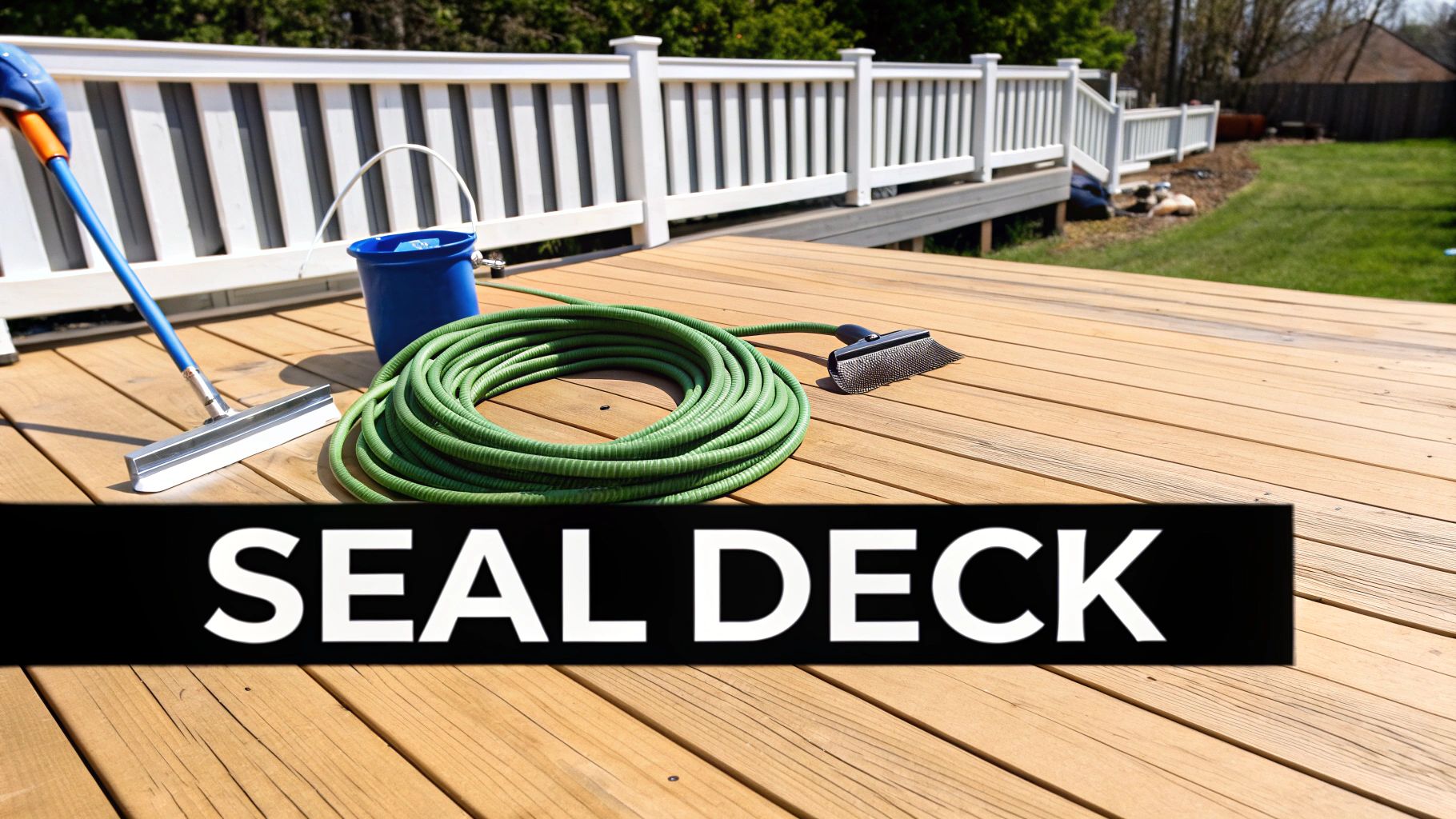
Your outdoor living spaces, like decks and patios, are extensions of your home, but they face the full force of Arizona’s weather. Throughout the year, they accumulate dust, mildew, algae, and debris. This seasonal maintenance task is crucial for removing winter buildup and preparing your outdoor areas for enjoyment, while also protecting them from the harsh sun and monsoon rains. Proper cleaning and treatment not only improve appearance but also prevent safety hazards like slippery surfaces and protect the structural integrity of your investment.
Key Focus Areas for Outdoor Surfaces
Material-Specific Care: The type of material dictates your maintenance approach. Wood decks require regular sealing or staining to prevent water damage and rot from monsoon moisture. For example, a homeowner with a pressure-treated pine deck who applies a quality sealer every two years can prevent splintering and decay, significantly extending its life. In contrast, composite decking, like that from Trex or TimberTech, requires only a thorough cleaning to remove stains and mildew, not sealing.
Pro Tip: Professional power washing and treatment can extend the lifespan of a wood deck by 10 or more years. Using the correct pressure is key; too high a setting can splinter wood, while too low may not effectively remove grime.
Safety and Structural Integrity: Neglected decks can become hazardous. Algae and mildew create dangerously slick surfaces, especially during monsoon season. Regular cleaning is a safety imperative. Additionally, seasonal inspections allow you to check for loose boards, protruding nails, or wobbly railings. Addressing these minor issues promptly prevents them from becoming major structural problems.
Actionable Deck and Patio Maintenance Tips
Power Wash with Caution: Use a power washer set to a maximum of 1,500 PSI for wood surfaces to avoid gouging or damaging the grain. Keep the nozzle moving continuously for an even clean.
Allow Proper Drying Time: After cleaning, let the surface dry completely before applying any sealant or stain. This typically takes 24 to 48 hours in Arizona's dry climate.
Apply Two Coats: For maximum protection against UV rays and moisture, apply two thin, even coats of your chosen sealer or stain, allowing adequate drying time between applications as per the manufacturer's instructions.
Schedule Biannual Checks: Make deck and patio care a standard part of your spring and fall seasonal home maintenance checklist. Spring is for cleaning and preparing for use, while fall is for clearing debris and protecting against winter conditions.
8. Landscaping Preparation and Yard Maintenance
Your yard is an extension of your home, and its health directly impacts your property's value, safety, and even your indoor comfort. Seasonal landscaping is more than just aesthetics; it's a critical component of a comprehensive home maintenance checklist. Proactive yard care prevents pest infestations, mitigates potential property damage from overgrowth or poor drainage, and enhances your home's curb appeal year-round. From preparing soil in the spring to protecting plants in the winter, each season brings specific tasks essential for a thriving Arizona landscape.
Key Focus Areas for Your Yard
Pest and Disease Prevention: A neglected yard can become a breeding ground for pests like scorpions, spiders, and termites, which can easily find their way into your home. For example, a homeowner who lets a pile of fallen leaves and branches sit through the fall and winter is creating an ideal, damp habitat for pests. Regularly clearing this debris eliminates these hiding spots and prevents potential infestations before they start.
Pro Tip: In Arizona's climate, xeriscaping, or designing landscapes to reduce or eliminate the need for supplemental water, is an effective strategy. Using native, drought-tolerant plants not only conserves water but also significantly reduces the seasonal maintenance workload.
Property Protection and Water Management: Proper landscaping protects your home’s foundation. This involves ensuring the soil is graded to slope away from the house, directing rainwater away from the foundation to prevent water damage and cracking. Similarly, strategic pruning of trees and large shrubs keeps roots from damaging pipes or foundations and prevents branches from falling on your roof during monsoon storms.
Actionable Yard Maintenance Tips
Mulch for Moisture: Apply a 2-4 inch layer of organic mulch, like bark or wood chips, around plants and trees. This practice is crucial in our dry climate as it helps retain soil moisture, reduces water evaporation, and suppresses weed growth.
Prune with Purpose: Prune trees and shrubs during their dormant seasons (typically late fall or winter for many species). This encourages healthy growth in the spring and allows you to remove dead or hazardous branches safely.
Clear Seasonal Debris: Rake and remove fallen leaves and organic debris promptly, especially in the fall. This simple task denies pests a place to live and prevents the growth of mold and fungus that can harm your lawn and plants.
Manage Your Water: Regularly inspect your irrigation system for leaks or broken sprinkler heads. Adjust your watering schedule seasonally to match your plants' needs without wasting a precious resource.
9. Window and Door Hardware Inspection and Lubrication
Smoothly operating windows and doors are fundamental to your home's security, efficiency, and convenience. Yet, the hardware that makes this possible, including locks, hinges, and tracks, is often overlooked in a standard seasonal home maintenance checklist. Extreme temperature fluctuations and dust in Arizona can cause metal components to bind, corrode, and fail, making doors difficult to close or windows impossible to lock. This regular inspection is a small investment of time that protects your home's integrity and ensures hardware functions correctly when you need it most, whether for daily use or in an emergency.
Key Focus Areas for Hardware Maintenance
Inspection and Functionality Testing: The core of this task is a hands-on check of every entry point. A homeowner who regularly tests their sliding glass door might notice it’s becoming difficult to move. Upon inspection, they could find the tracks are clogged with dirt and debris. Cleaning and lubricating the tracks restores smooth operation and prevents premature wear on the rollers, avoiding a costly replacement.
Pro Tip: Use a silicone-based spray lubricant for hinges and tracks, as it doesn't attract the dust and grit common in Arizona. For locks, a dry graphite lubricant is superior because it won't gum up the delicate internal mechanisms like a liquid oil can.
Security and Efficiency Enhancement: Functional hardware is a critical layer of your home's security. A corroded latch or a misaligned strike plate can be a significant vulnerability. Furthermore, hardware that doesn't allow a door or window to close and seal properly creates air gaps. These leaks compromise your home’s building envelope, forcing your HVAC system to work harder. Proper hardware maintenance supports both your security and your efforts to find and seal air leaks to save money.
Actionable Hardware Maintenance Tips
Clean Before You Lubricate: Use a stiff brush and a vacuum to thoroughly clean out window and sliding door tracks. Wiping down hinges removes built-up grime before applying lubricant.
Test All Locks: At least once per season, test every lock in your home with its key. Ensure the deadbolt extends and retracts fully without sticking or excessive force.
Tighten Loose Screws: Check all hinge and strike plate screws on doors and windows. Loose hardware can cause sagging and misalignment, leading to drafts and security issues.
Inspect for Corrosion: Look for signs of rust or corrosion on all exterior-facing hardware. Replace any severely corroded components immediately, as they are weakened and likely to fail.
10. Foundation and Grading Inspection
Your home's foundation is its literal bedrock, supporting the entire structure against the forces of nature and time. A seasonal inspection is a fundamental part of any home maintenance checklist, especially in Arizona, where shifting soils and intense monsoon rains can create significant stress. This step involves carefully examining the foundation for signs of distress and ensuring the surrounding landscape effectively directs water away, preventing costly and catastrophic damage. Ignoring these checks can lead to problems far more extensive than a simple HVAC repair, potentially costing tens of thousands of dollars in structural remediation.
Key Focus Areas for Foundation Health
Structural Integrity and Water Intrusion: The two primary threats to your foundation are movement and moisture. Inspections should focus on identifying new cracks, water stains, or signs of settling. For example, a homeowner in an older property might notice a hairline vertical crack. While this could be normal settling, monitoring it after a heavy monsoon season is crucial. If the crack widens or a horizontal crack appears, it signals significant pressure and requires immediate professional assessment to prevent further structural compromise.
Pro Tip: Your home’s grading is its first line of defense against water damage. The ground should slope away from your foundation at a rate of at least six inches over the first ten feet. This simple feature prevents water from pooling against the concrete, where it can cause erosion and seep into your crawlspace or basement.
Seasonal Monitoring: The best times to inspect are during the dry spring before the monsoons and in the fall after the rains have subsided. This allows you to spot issues that may have developed due to the dramatic shifts in soil moisture content that are common in Arizona.
Actionable Foundation Maintenance Tips
Document and Monitor: When you find a crack, photograph it and place a piece of tape across it with the date. Check it every few months to see if the crack is growing, which indicates active movement.
Check Your Grading: After a rainstorm, walk around your property. Look for any areas where water pools near the foundation and plan to add soil to build up the slope.
Maintain Drainage Systems: Ensure your gutters are clean and downspouts extend at least four to six feet away from the house. This directs thousands of gallons of roof runoff safely away from your foundation.
Mind Your Landscaping: Keep large tree roots and thirsty plants away from the immediate foundation area. Their roots can cause physical damage, and their watering needs can oversaturate the soil.
10-Point Seasonal Home Maintenance Comparison
Task | Complexity 🔄 | Resources & Cost ⚡ | Expected outcomes ⭐📊 | Ideal use cases 💡 |
|---|---|---|---|---|
HVAC System Inspection and Filter Replacement | Medium: regular DIY checks + biannual pro tune-ups | Moderate: filters low cost; pro inspections $100–300; monthly/seasonal time | High ⭐⭐⭐: lowers energy use 5–15%, extends equipment life, improves IAQ | Year‑round occupied homes; allergy sufferers; energy‑efficiency goals |
Gutter Cleaning and Inspection | Low–Medium: seasonal ladder work, simple inspections | Low–Moderate: DIY inexpensive; pro $150–400; seasonal effort | Medium–High ⭐⭐⭐: prevents foundation/basement/roof water damage | Homes with trees, heavy fall foliage, rainy climates |
Roof and Flashing Inspection | High: safety risks; may require professional access | Moderate–High: pro inspections $200–600; repairs can be costly | High ⭐⭐⭐: early leak detection prevents interior/structural damage | After storms, older roofs, pre‑sale or insurance documentation |
Outdoor Faucet & Irrigation Winterization | Medium: timed procedures and system blow‑out | Low–Moderate: DIY inexpensive; pro $150–300; seasonal scheduling | High ⭐⭐⭐: prevents frozen/burst pipes and major water damage | Cold climates, properties with irrigation systems |
Chimney & Fireplace Cleaning and Inspection | Medium: specialized sweep and inspection recommended | Moderate: pro sweep $150–300; annual commitment | High ⭐⭐⭐: prevents chimney fires, ensures safe venting; often required by insurers | Homes using wood/solid fuel fireplaces; pre‑heating season |
Exterior Caulking & Weatherstripping Replacement | Low–Medium: prep and correct application required | Low: materials $30–100 DIY; pro $200–500 for best results | High ⭐⭐⭐: reduces drafts, cuts energy bills ~10–15%, prevents moisture | Drafty homes, energy efficiency upgrades, pre‑season sealing |
Deck & Patio Seasonal Cleaning & Treatment | Medium: power‑washing + inspection + sealing | Moderate: pro $300–800; weather‑dependent scheduling | Medium–High ⭐⭐⭐: extends deck life 10–15%, improves safety & curb appeal | Wooden decks before/after season, resale preparation |
Landscaping Preparation & Yard Maintenance | Medium–High: ongoing seasonal tasks and planning | High: time‑intensive; pro landscapers $50–100/hr; material costs seasonally | Medium–High ⭐⭐: improves curb appeal, reduces pest/moisture issues | Large yards, HOA properties, water‑management or aesthetic goals |
Window & Door Hardware Inspection & Lubrication | Low: simple inspection and lubrication tasks | Low: inexpensive lubricants/tools; time per opening | Medium ⭐⭐: improves security/function, extends hardware life | All homes, especially older or frequently used exits |
Foundation & Grading Inspection | High: may need structural assessment and monitoring | High: pro inspections $500–1,000+; repairs $5,000–25,000+ | Very High ⭐⭐⭐: prevents major structural/repair costs and mold issues | Older homes, freeze‑thaw regions, properties with drainage problems |
Your Partner in Year-Round Home Comfort and Efficiency
Navigating the demands of homeownership in Arizona requires diligence, foresight, and a proactive approach. As we have detailed, a comprehensive seasonal home maintenance checklist is not merely a list of chores; it is a strategic plan to protect your investment, ensure your family’s comfort, and optimize your home’s energy efficiency. From the foundational integrity of your home to the peak of your roof, each task plays a critical role in preserving your property against the unique challenges of our desert climate.
Throughout this guide, we have explored the essential maintenance routines that define each season. We began with the core of your home's comfort system, emphasizing HVAC inspections and filter replacements, a non-negotiable task in a region defined by extreme temperatures. We then expanded outward, covering crucial exterior upkeep like gutter cleaning, roof inspections, and ensuring your irrigation systems are properly prepared for seasonal shifts. By consistently addressing these areas, you preemptively tackle potential issues before they escalate into costly repairs.
The Power of Proactive Maintenance
The true value of this checklist lies in its preventative power. Seemingly small actions, such as replacing worn weatherstripping or inspecting exterior caulking, create a powerful thermal barrier. This simple step directly translates into lower energy bills and a reduced strain on your HVAC unit, extending its operational lifespan. Similarly, inspecting your foundation for cracks or ensuring proper grading prevents water intrusion, a problem that can lead to catastrophic structural damage if ignored.
Consider the cumulative impact:
Financial Savings: Proactive maintenance is always more cost-effective than reactive, emergency repairs. A scheduled tune-up for your furnace is a fraction of the cost of replacing a heat exchanger that failed due to neglect.
Enhanced Comfort: A well-maintained home is a comfortable home. From properly lubricated window hardware that ensures a tight seal to a clean fireplace ready for a cool winter evening, these tasks directly contribute to your quality of life.
Peace of Mind: Perhaps the greatest benefit is the confidence that comes from knowing your home is secure and functioning as it should. You can rest easy, knowing you have minimized the risk of a sudden AC failure during a 110-degree summer day or a roof leak during a powerful monsoon storm.
Your HVAC System: The Heart of Your Home
While every item on the seasonal home maintenance checklist is important, the consistent, professional care of your heating, ventilation, and air conditioning system is paramount in Tucson and the surrounding areas. It is the single most critical component for maintaining a safe and comfortable indoor environment year-round. Regular professional service ensures it operates at peak efficiency, improves your indoor air quality, and catches minor issues before they become major system failures.
This checklist empowers you with the knowledge to manage many aspects of home care yourself. However, for the complex mechanics of your HVAC system, partnering with a trusted professional is the wisest course of action. It is an investment in reliability, efficiency, and the long-term health of your home. By integrating these seasonal habits into your routine, you transform home maintenance from a reactive burden into a proactive strategy for lasting value and comfort.
When it's time to address the most critical part of your seasonal home maintenance checklist, trust the experts at Covenant Aire Solutions. We provide honest, reliable, and expert HVAC services, from routine tune-ups to emergency repairs, ensuring your home remains a comfortable sanctuary all year long. Visit Covenant Aire Solutions to schedule your service and partner with a team that values your comfort and peace of mind.